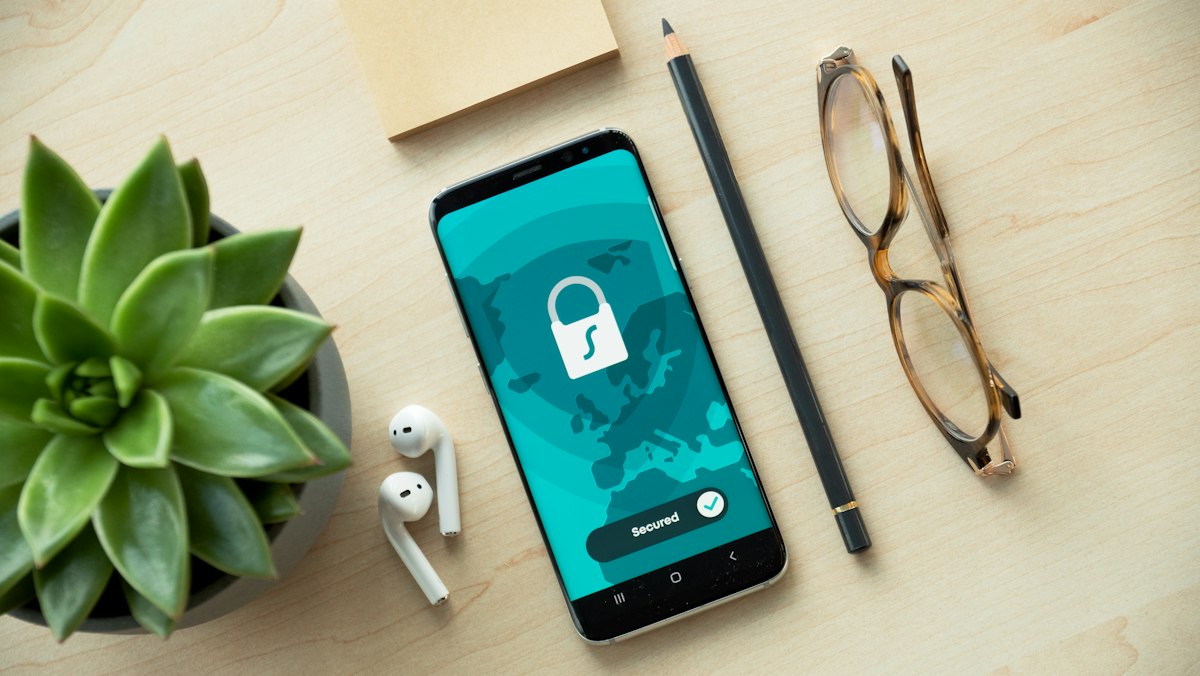
Temporary Virtual Credit Card Number Generators for Privacy: Stopping Data Breaches and Tracking
Handing over your primary credit card details to every website you visit is like giving a stranger a key to your front door just because they asked to see your ID. The reality of online shopping involves a constant trade-off between convenience and security. Every time you save your card on a new platform or sign up for a 'free' trial, you are expanding your digital footprint and increasing the risk that a single data breach could compromise your entire financial life.
Data breaches are no longer a rare occurrence; they are a statistical certainty for many large retailers and service providers. When these leaks happen, your name, card number, CVV, and expiration date end up on illicit marketplaces. This is where temporary virtual credit card number generators for privacy become your most effective line of defense. They act as a sophisticated firewall between your actual bank account and the merchants you interact with daily.
Related posts
Instant Virtual Credit Card Approval Even with Bad Credit: Fast Online Access
Waiting weeks for a physical piece of plastic to arrive in the mail is a relic of the...
Read more →
Automating Corporate Spend with API-Integrated Virtual Credit Cards
Modern finance departments face a mounting stack of recurring invoices, SaaS subscriptions, and ad-hoc vendor payments. Managing these...
Read more →
Protect Your Bank Account Using Disposable Virtual Credit Cards for Free Trials and Safety
Signing up for a new streaming service, a professional software trial, or a niche fitness app often feels...
Read more →
Immediate Access: Exploring Digital Bank Credit Cards with Instant Issuance
The landscape of personal finance is rapidly evolving, and nowhere is this more evident than in how we...
Read more →This discussion explores how these generators work, why they are superior to traditional plastic, and how you can implement them to take back control of your financial data. We will look at the practicalities of setting up these accounts, the differences between various types of virtual cards, and the specific scenarios where they offer the most protection. By the end, you will understand how to browse and buy without leaving a trail of vulnerable information behind you.
Key takeaways
- Enhanced Security: Virtual cards mask your real banking details, ensuring that even if a merchant is hacked, your primary account remains safe.
- Subscription Control: You can set spend limits or use 'burner' cards that expire after one use to prevent unwanted recurring charges.
- Merchant Locking: Many generators allow you to lock a card to a specific vendor, meaning that card will not work anywhere else if the data is stolen.
- Anonymity: While not entirely anonymous from the card issuer, these tools prevent merchants and data brokers from tracking your spending habits across different platforms.
How Virtual Card Generators Actually Work
The term 'generator' often brings to mind the old-school software that created fake numbers for software registration. However, modern temporary virtual credit card number generators for privacy are legitimate financial tools integrated with the banking system. When you use one of these services, the provider generates a 16-digit number, an expiration date, and a CVV that are valid for transactions on the Visa or Mastercard networks.
These numbers are linked to your real funding source—usually a debit card or a bank account—but they act as a proxy. When a merchant processes a payment, they see the virtual card info, not your real identity. The service provider handles the communication between the merchant and your bank, shielding your sensitive data from the vendor's database. This process, often called tokenization, ensures that the 'token' (the virtual card) has no value if used outside the parameters you define.
Single-Use vs. Merchant-Locked Cards
Most high-quality generators offer two distinct types of cards. Single-use or 'burner' cards are designed to expire immediately after one transaction. These are perfect for one-time purchases from websites you don't fully trust or for signing up for a trial that you suspect might be difficult to cancel. Once the payment clears, the card number is deactivated forever.
Merchant-locked cards, on the other hand, are intended for recurring use with a specific vendor, like Netflix or Amazon. The first time you use the card at a specific shop, it 'locks' to that merchant. If a hacker steals that card number and tries to use it at a different store, the transaction is automatically declined. This setup provides a balance of convenience for monthly bills and high-level security against cross-platform fraud.
The Practical Benefits of Using Temporary Numbers
Beyond the obvious protection against hackers, these tools solve several everyday frustrations. Have you ever tried to cancel a gym membership or a stubborn SaaS subscription only to find the 'cancel' button missing? With a virtual card generator, you don't have to argue with customer service. You can simply pause or delete the card from your dashboard. When the merchant attempts to bill you the following month, the transaction fails on their end, effectively ending the subscription without you having to jump through hoops.
Another significant advantage is the ability to set hard spend limits. If you are worried about a service overcharging you or a 'free' trial suddenly turning into a premium subscription, you can set a limit of $1 on that card. Any attempt to charge more than that amount will be blocked. This granular control over your money is something traditional credit cards simply do not offer in a user-friendly way.
Privacy from Data Brokers
Every time you shop, retailers collect data on your spending habits to build a profile of your life. They often sell this data to third-party brokers. Because virtual cards can be generated with different 'nicknames' or even used without your full name being passed to the merchant in some cases, it becomes much harder for these companies to link your purchases across different stores. This breaks the chain of data collection that fuels invasive targeted advertising.
Top Providers and Choosing the Right One
Selecting a provider depends largely on your location and your specific needs. In the United States, Privacy.com is the industry leader, offering a seamless browser extension and a mobile app that lets you create cards on the fly. They offer a free tier for individuals which is robust enough for most privacy-conscious users. Their interface is built specifically for the 'privacy' use case, emphasizing card deletion and spend limits.
For those in Europe or looking for a more 'all-in-one' banking experience, Revolut provides disposable virtual cards as part of their premium tiers. While they offer fewer 'merchant-locking' features than dedicated privacy tools, their disposable cards are excellent for international shopping due to their competitive exchange rates. Other options include IronVest (formerly Abine), which integrates virtual cards with a broader suite of privacy tools like masked emails and masked phone numbers.
Eligibility and Costs
Most of these services require a Know Your Customer (KYC) check, meaning you will need to provide your real identity to the provider. This is a legal requirement to prevent money laundering. While the card is private from the merchant, it is not anonymous from the bank or the generator. Most providers offer a free basic version, while 'Pro' or 'Premium' versions—which might include cashback or higher card creation limits—usually cost between $5 and $10 per month.
Common Pitfalls and Limitations
While temporary virtual credit card number generators for privacy are powerful, they are not a silver bullet for every situation. One major hurdle is refunds. If you use a single-use card and then need to return the item, the refund process can be complicated. Most reputable providers can still route the refund back to your original bank account even if the virtual card is closed, but it often takes longer and requires more manual oversight.
Furthermore, some merchants—particularly car rental companies and hotels—often block virtual cards. These businesses usually require a 'real' credit card to place a significant hold for insurance purposes. If you try to use a virtual card at a check-in desk, it may be flagged as a 'prepaid' card and rejected. Always keep a physical card handy for travel-related deposits or situations where a physical swipe is mandatory.
FAQ
Are temporary virtual cards legal to use?
Yes, virtual cards are completely legal. They are regulated financial products issued by licensed banks and payment processors. They function exactly like a standard credit or debit card but without the physical plastic. They are intended to protect consumers, not to facilitate illegal activity.
Do virtual cards affect my credit score?
Using a virtual card generator generally has no impact on your credit score. Most of these services link to your debit card or bank account, meaning they do not involve a hard credit inquiry or a line of credit. They are essentially a way to spend your own money more securely.
Can I use these cards for international purchases?
Most virtual cards work anywhere that Visa or Mastercard is accepted globally. However, keep an eye on foreign transaction fees. Some providers like Revolut offer great rates, while others might pass on the standard fees associated with international currency conversion.
What happens if a merchant tries to charge a deleted card?
The transaction will be immediately declined. The merchant will receive a message indicating that the card is invalid or closed. They will not be able to see your real bank account details or attempt to charge your primary card instead.
Do these cards work for recurring subscriptions?
Yes, as long as you use a 'merchant-locked' or 'multi-use' card rather than a 'single-use' card. Merchant-locked cards are specifically designed for things like Netflix, Spotify, or utility bills, allowing the same vendor to charge the card month after month while remaining blocked for everyone else.
Conclusion
The move toward using temporary virtual credit card number generators for privacy is a logical response to an increasingly insecure digital environment. By decoupling your real financial identity from your online transactions, you effectively neutralize the threat of merchant data breaches and predatory subscription models. While there are minor inconveniences regarding refunds and specific travel bookings, the peace of mind gained from knowing your 'real' card is never exposed is invaluable. If you haven't yet, start by setting up a single-use card for your next online purchase and experience the control of being able to 'delete' a payment method at will.