High-Yield Fuel Credit Cards: Maximizing Your Return at the Pump
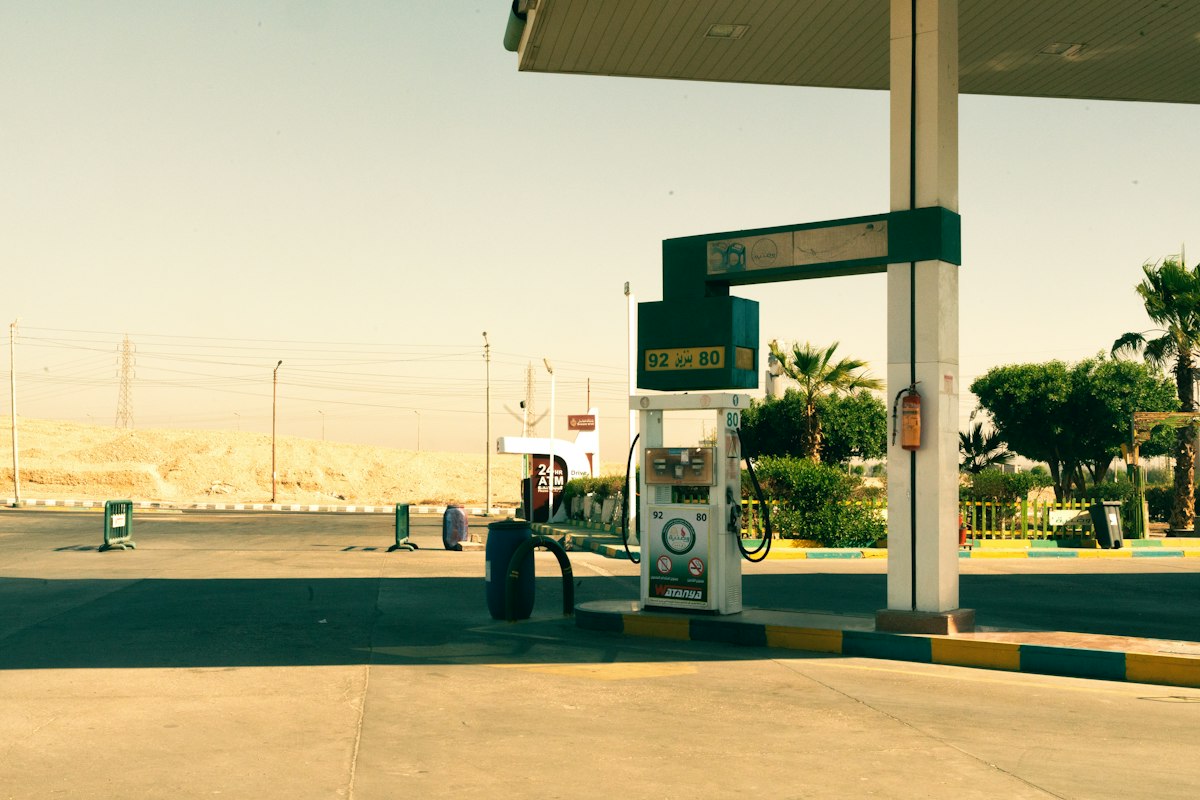
Watching the numbers climb on a gas pump screen is a universal frustration for anyone with a commute. Whether you are driving a fuel-thirsty SUV or a compact sedan, the cost of gasoline remains one of the most significant recurring expenses in a household budget. Most consumers simply swipe whatever card is closest in their wallet, unknowingly leaving hundreds of dollars in rewards on the table every year.
Finding a card that offers a high return on spend for fuel isn't just about the percentage; it is about understanding how different issuers categorize 'gas stations' and where the hidden caps lie. Some cards offer a staggering 5% back but limit you to a small quarterly spend, while others offer a steady 3% with no limits at all. The goal is to align your specific driving habits with the card that yields the highest net profit after any potential fees.
Related posts

Maximizing Value with Dining Rewards Credit Cards and Top Sign-Up Bonuses
You likely spend more on food than you realize. Between morning espresso runs, quick lunches at your desk,...
Read more →
Flat 2 Percent Cash Back: Comparing the Best Unlimited Credit Cards
Managing a wallet full of credit cards with rotating 5% categories can feel like a part-time job. One...
Read more →
Online Shopping Rewards Credit Cards to Earn While You Buy
Every time you click the checkout button on your favorite website, you make a distinct financial decision. You...
Read more →
Maximizing Value with Rewards Credit Cards
Most people view their monthly expenses as a one-way street where money leaves their pocket and never returns....
Read more →This analysis breaks down the top contenders for fuel rewards, looking past the flashy marketing to see what actually ends up in your pocket. We will examine wholesale club cards, high-yield cash back options, and the math behind annual fees. By the end, you will know exactly which piece of plastic deserves the top spot in your visor or digital wallet.
Key takeaways
- Target 3% to 5% returns: Any card offering less than 3% on fuel is underperforming in the current market.
- Watch the caps: High-percentage cards often have annual or quarterly spending limits that can throttle your earnings.
- Wholesale clubs matter: If you pump at Costco or Sam's Club, you need a card that specifically recognizes these as gas stations.
- Consider the 'total wallet' strategy: Pairing a fuel card with Dining Rewards Credit Cards with Lucrative Sign-Up Bonuses can maximize your overall monthly cash flow.
The 5% Tier: Maximum Efficiency for Moderate Drivers
If you are looking for the absolute highest return on spend, the 5% category is where you should start. These cards are designed for people who want to squeeze every possible penny out of their fuel budget. The most prominent player here is the Citi Custom Cash Card. It automatically applies a 5% cash back rate to your top spending category each billing cycle, up to the first $500 spent. If you dedicate this card solely to fuel, you are effectively getting a 5% discount on every gallon until you hit that $500 mark.
Another strong contender is the AAA Daily Advantage Visa Signature. This card offers a consistent 5% back on groceries and 3% on gas, but some variations in specific regions have pushed the fuel reward even higher. The beauty of these cards is that they typically carry no annual fee, meaning every cent you earn is pure profit. However, for long-distance commuters or those with multiple vehicles, the $500 monthly cap on the Citi card might be too restrictive.
Wholesale Clubs and the 4% Standard
For many, the cheapest gas in town isn't at a traditional station but at a wholesale club like Costco or Sam's Club. The catch? Many standard credit cards categorize these pumps as 'Wholesale' rather than 'Gas Station,' resulting in a measly 1% return. To beat this, you need a card specifically designed for these ecosystems.
The Costco Anywhere Visa Card by Citi offers 4% back on eligible gas and EV charging for the first $7,000 per year. After that, it drops to 1%. For most households, $7,000 is more than enough to cover a year of driving. Similarly, the Sam's Club Mastercard offers a massive 5% back on gas (up to $6,000 per year) for Plus members. These cards are powerhouses because they combine a high percentage with a high enough cap to handle heavy usage.
The Annual Fee Debate: Is the Blue Cash Preferred Worth It?
The Blue Cash Preferred Card from American Express is often cited as a top-tier fuel card, offering 3% back at U.S. gas stations. However, it comes with an annual fee (typically around $95, often waived the first year). Does the math work in your favor? If you are only using it for gas, probably not. You can get 3% back from several no-fee cards like the Wells Fargo Autograph.
The value proposition changes when you look at the whole picture. This card also offers 6% back at U.S. supermarkets. If you are a high-spender in both categories, the return on spend across your entire budget justifies the fee. But if your goal is strictly fuel optimization, sticking to a no-fee 3% or 5% card is the smarter financial move. Why pay for the privilege of earning rewards when competitors give them away for free?
Understanding Merchant Category Codes (MCC)
The biggest pitfall in fuel rewards is the Merchant Category Code. Credit card issuers rely on these codes to determine if a purchase qualifies for a bonus. A 'gas station' is generally defined as a facility that sells fuel at the pump. However, if you buy a sandwich or a gallon of milk inside the convenience store, that might code as a 'grocery' or 'convenience store' purchase instead. To ensure the highest return, always pay at the pump. This virtually guarantees the transaction is coded correctly as a fuel purchase.
Strategic Stacking for Maximum Returns
Maximizing your return on spend isn't just about the single card you use at the pump. It is about how that card fits into your broader financial strategy. For example, while you use a dedicated fuel card for your commute, you should also be looking at Dining Rewards Credit Cards with Lucrative Sign-Up Bonuses for your weekend spending. By segmenting your spending—using one card for the 5% fuel return and another for 4% or 5% on dining—you create a high-yield ecosystem.
This 'stacking' approach ensures that no matter where you are spending money, you are never settling for the standard 1% back. It requires a bit more organization in your wallet, but the difference can amount to several hundred dollars in extra cash back or travel points by the end of the year. Are you willing to carry two or three cards to save $400 a year? For most, the answer is a resounding yes.
Evaluating Station-Branded Cards
You have likely been prompted at the pump to sign up for a Shell, Exxon, or BP branded card. Usually, these offer a 'cents per gallon' discount rather than a percentage. For example, a card might offer 10 cents off per gallon. When gas is $3.00, that is a 3.3% return. When gas rises to $5.00, that 10-cent discount drops to a 2% return. In almost every scenario, a percentage-based cash back card is superior because it scales with inflation and rising fuel prices. Station-branded cards also lock you into one brand, preventing you from shopping around for the lowest price.
Frequently Asked Questions
Do gas rewards cards work for electric vehicle (EV) charging?
Many modern cards have updated their terms to include EV charging in the 'gas station' category. The Costco Anywhere Visa and the Wells Fargo Autograph are two prominent examples that explicitly state EV charging qualifies for their elevated reward rates. Always check the fine print, as some older cards still only recognize traditional petroleum pumps.
Can I get high fuel rewards at grocery store gas pumps?
This is a common gray area. Many grocery chains like Kroger or Safeway have their own fuel centers. Whether these code as 'gas' or 'grocery' depends entirely on the credit card issuer and how the specific station is registered. Generally, if the pump is physically separated from the main store, it will code as gas, but it is always worth a small test purchase to verify before filling a large tank.
Is there a limit to how much cash back I can earn on fuel?
Most 5% cards have a cap, such as $500 per month or $1,500 per quarter. Once you hit that limit, your earnings usually drop to 1%. If you are a long-haul trucker or have a massive commute, you might be better off with a flat 2% or 3% card that has no spending limit, as your average return will be higher over the course of the year.
Are fuel rewards taxable?
No, the IRS generally views credit card rewards and cash back as a rebate on a purchase rather than income. This means the 5% you save at the pump is tax-free money in your pocket. This makes credit card rewards one of the most efficient ways to lower your cost of living without increasing your tax liability.
Should I choose points or cash back for fuel?
Cash back is the simplest and most transparent return on spend. However, if you are a frequent traveler, earning 3x points on a card like the American Express Gold or Chase Sapphire Preferred (via certain categories) might be worth more if you transfer those points to airlines. For the average person looking to lower their monthly bills, cash back is usually the preferred choice.
Conclusion
Achieving the highest return on spend for fuel requires a mix of the right card and a bit of geographic strategy. If you spend less than $500 a month on gas, the Citi Custom Cash is arguably the king of the category. For those who prefer the convenience and lower base prices of wholesale clubs, the Sam's Club or Costco branded cards provide the best balance of high percentages and generous annual caps. Avoid the trap of station-specific cards that offer fixed-cent discounts, as they lose value when prices rise. By choosing a percentage-based card and paying attention to merchant codes, you can effectively give yourself a permanent 3% to 5% discount on every mile you drive.